
Garba in Pune — A Growing Tradition
While Garba has its roots in Gujarat, Pune has embraced it wholeheartedly. Every Navratri, residential societies, clubs, and event venues across the city come alive with the rhythmic clap-and-spin of Garba and the click-clack of Dandiya Raas.
But here is the thing — many people show up to Navratri events and stand on the sidelines because they do not know the steps. Professional Garba training changes that.
Basic Garba Steps Everyone Should Know
Two-clap Garba (Beginner)
The foundation of all Garba. Two claps, a spin, and repeat. Once you master this, you can join any Garba circle.
Three-clap Garba (Intermediate)
Adds complexity with three claps and directional changes. This is the most common style at Navratri events in Pune.
Dandiya Raas
Played with two decorated sticks (dandiya). Partners face each other and strike sticks in rhythmic patterns. Requires coordination but is incredibly fun once learned.
Dodhiyu
A more advanced Garba variation with intricate footwork and faster spins. Popular among experienced dancers.
Where to Learn Garba in Pune
Society programs
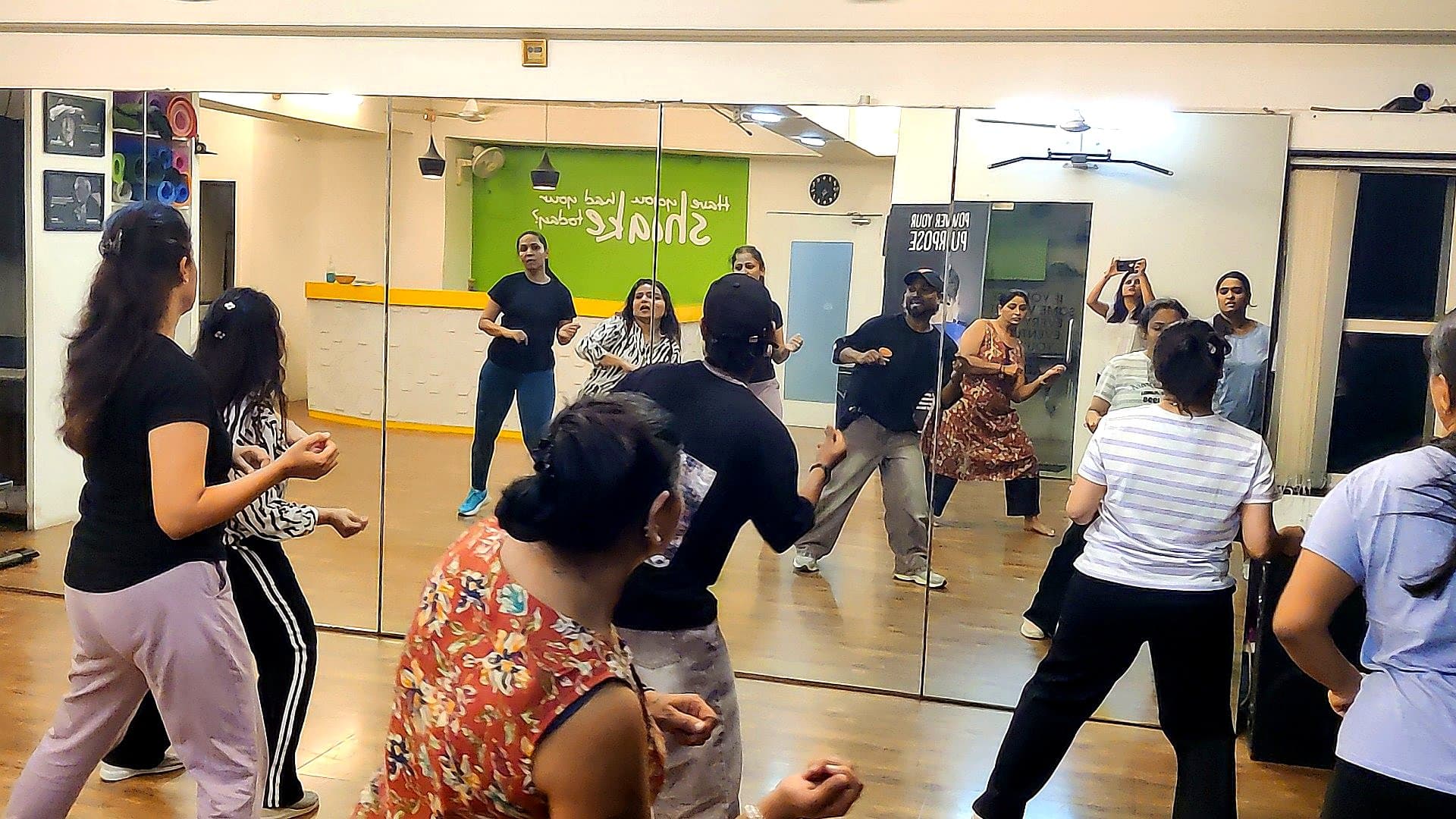
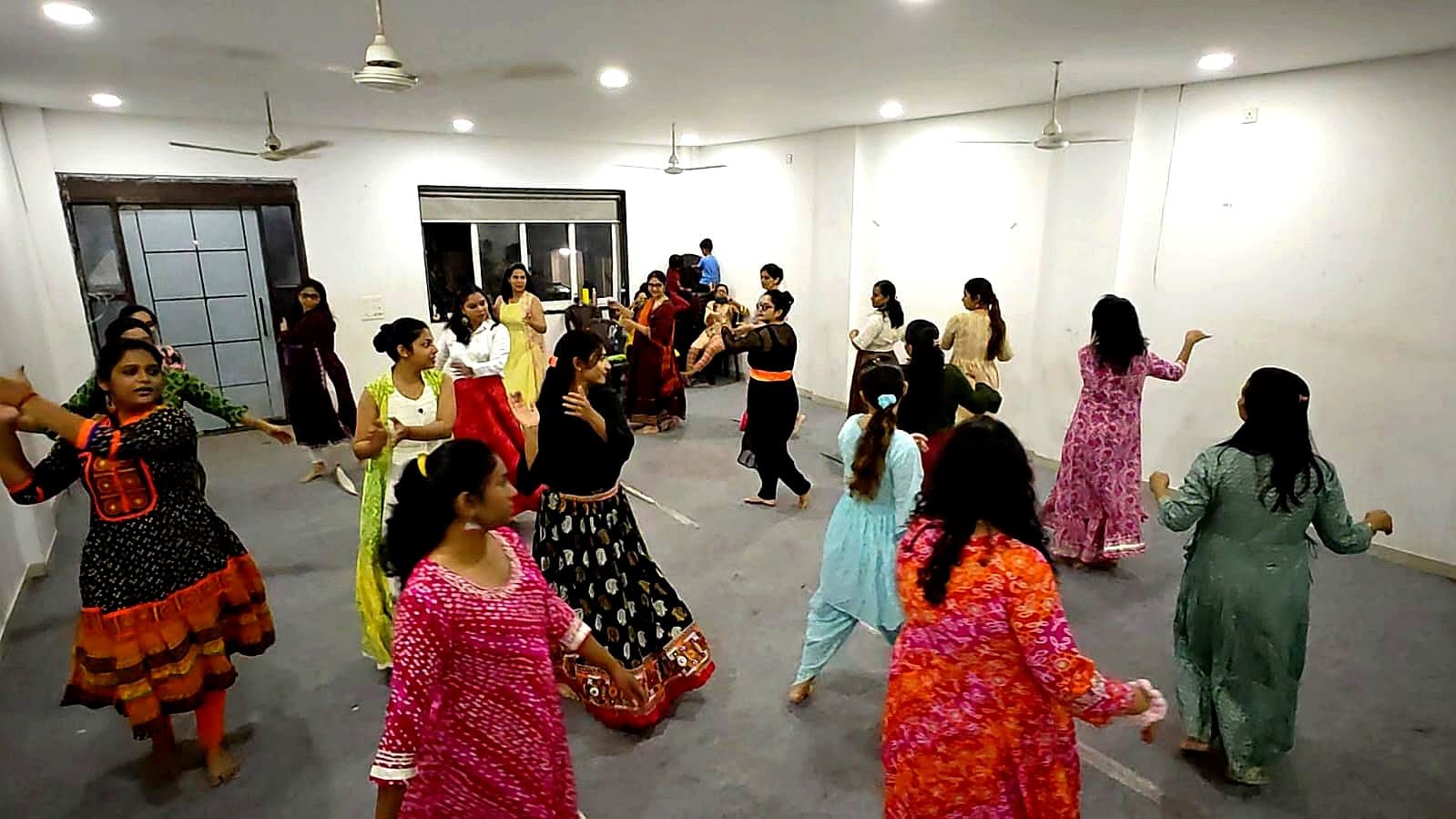
The most popular option. A trainer comes to your residential society and conducts group Garba classes for residents. Typical batch size is 15-25 people. This is social, affordable, and convenient.
Cost: ₹1,500-2,500 per person per month
Personal training at home
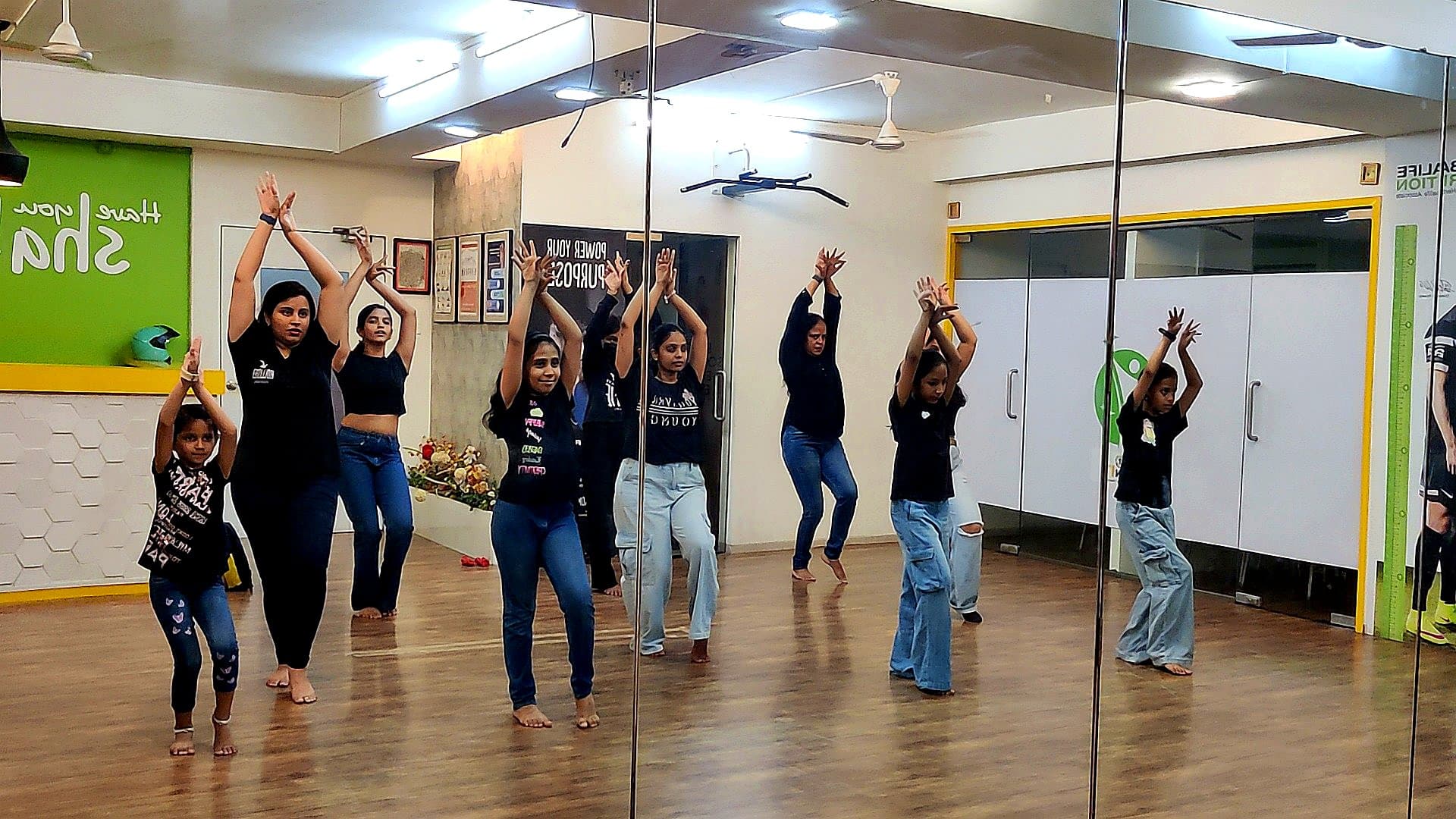
For those who want to learn quickly or at their own pace. The trainer comes to your home and teaches step by step.
Cost: From ₹900 per session
Corporate Navratri workshops
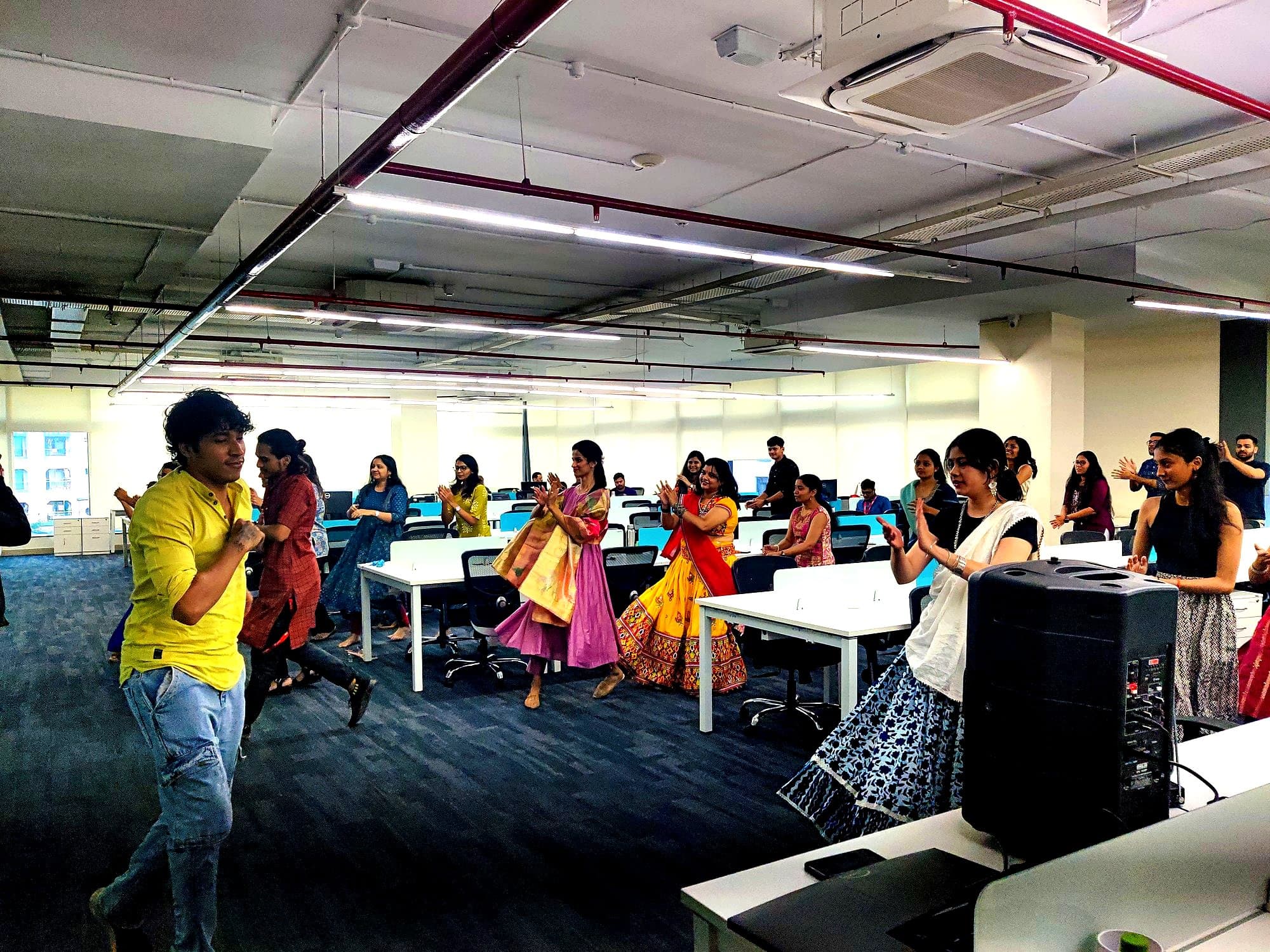
Many Pune companies organize Navratri celebrations with professional Garba trainers. A 1-2 hour workshop gets the whole office dancing.
When to Start Learning
For Navratri preparation
Start 6-8 weeks before Navratri. This gives enough time to learn all basic and intermediate steps comfortably.
For ongoing fitness and fun
Garba is an excellent year-round workout. The continuous spinning and footwork burn 500+ calories per hour while being genuinely enjoyable.
Benefits of Garba Beyond Navratri
- Full-body workout — Engages legs, core, arms, and cardiovascular system
- Social bonding — Garba is inherently communal; you dance in circles with others
- Cultural connection — Keeps traditional dance forms alive for the next generation
- Stress relief — The rhythmic, repetitive movement is meditative
- Coordination — Dandiya Raas especially develops hand-eye coordination
What to Wear for Garba Practice
- Women — Chaniya choli (traditional) or comfortable salwar kameez for practice
- Men — Kurta-pyjama (traditional) or comfortable trackpants and t-shirt for practice
- Footwear — Flat, comfortable shoes that allow spinning. Avoid heels.
- Accessories — Dandiya sticks (your trainer will guide you on the right type)
Choosing a Garba Trainer
The best Garba trainers in Pune have:
- Experience teaching all levels — from absolute beginners to advanced
- Knowledge of multiple Garba variations — not just basic steps
- Ability to handle large groups — managing energy and pace for 20+ people
- Their own music and sound system for practice sessions
- Experience with society and corporate programs
Ready to dance this Navratri? Book a Garba training session — WhatsApp Trodo at +91 9028106409.